IDAHO, 2009
These paintings begin in water. The source images come from Idaho’s rivers and creeks—Silver and Loving Creek, the Clearwater, Salmon, Coeur d’Alene, and Snake—those cold, moving bodies that cut the state into long, shining seams. The photographs are altered, then printed as transfers and held between mirror and glass. The mirror in back throws light forward, so the river seems to carry a hidden gleam, like sun under ice.
Over the glass, the work grows in slow layers. Paint goes on first; then, into that wet skin, lines are written by hand—fragments of Idaho’s history, its rivers and people, its poetry and rumor. When the layer dries, it is sanded back, scuffed down until only part of it remains. The cycle repeats twenty or thirty times. In the end, the surface is built not by what was added, but by what could not be erased. This is how history works too: much disappears, but the traces that stay behind are what shape how a place is felt and understood.
All of it comes out of an ongoing attention to place and to home. The paintings ask how a landscape instructs the mind—how living beside certain waters, in certain weather, changes the way a person sees the world. They hold both public history and private memory: the rivers as they move through the state, and the rivers as they move through one life. Mirrors and light have become a steady metaphor here, a way to think about how the past flashes through the present, quick and bright, before it fades again.
That study of landscape and history has widened into a hard, necessary project: looking at sites of war and hate across the American West. The drawings of the White Bird battlefield in central Idaho—the first battle of the 1877 Nez Perce War—stand beside the paintings like spare, stern companions. The photographs were made on a quiet, cold November day, when the grass lay flat and the sky held back its snow. Often, the journey to such places is shared with a daughter, Murphy Kendall, stopping at roadside markers and walking old battlegrounds together, letting the child’s questions mix with the wind.
In the drawings, images of the battlefield are braided with cavalry documents and Nez Perce stories. The text is set digitally, then brought over to the paper by transfer lettering. Each letter is pressed down, then gently wiped, then reapplied until it carries the right weight, neither shouting nor fading away. As the hand moves back and forth across the page, the surface wears down slightly, picking up smudges and small wounds. This wear is on purpose. The drawings are meant to look handled, lived‑in, like objects that have been carried a long way. When they are finished, they are sealed with wax and treated as small, three‑dimensional presences rather than flat images.
Through these works, there is no attempt to settle the record or pronounce final truths. The drawings and paintings are a way of standing in the crosswind of stories, feeling how official reports and oral histories, rivers and roads, all pass through the same ground. The search is not for answers but for a clearer sense of how fading histories still press on the present, how they shape a culture’s reflexes and blind spots. In this light, each piece becomes a small, illuminated marker—a place to pause, to look, and to reckon with what the land remembers, even when people do not.

SEER, 2012 digital transparency, mirror, glass and oil paint 18" x 23"

BLINDE, 2009 digital transparency, mirror, glass and oil paint 24" x 47"

YESTERDAY 2009 digital transparency, mirror, glass, acrylic and oil paint 13 1/2" x 18"

REMAIN 2009 digital transparency, mirror, glass, acrylic and oil paint 13 1/2" x 18"

REMEMBER 2009 digital transparency, mirror, glass, acrylic and oil paint 13 1/2" x 18

LOVING 2009 digital transparency, mirror, glass, acrylic, and oil paint 22 1/2" x 36"
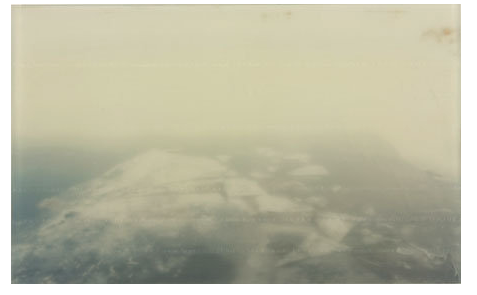
INEFFABLE 2009 digital transparency, mirror, glass, acrylic, and oil paint 22 1/2" x 36"

LOSS 2009 digital transparency, mirror, glass, acrylic, and oil paint 13 1/2" x 18"

WHITEBIRD 1 2009 digital image printed on vellum with transfer lettering and wax 35" x 46.5"

WHITEBIRD 2 2009 digital image printed on vellum with transfer lettering and wax 35" x 46.5"